
Professor Robyn Young
Chair
The Flinders Autism Research Initiative brings together researchers, people with lived experience, industry and government to address challenges faced by autistic people through collaborative and transdisciplinary research.
Despite increased awareness, many autistic people continue to encounter barriers within services, systems and everyday environments, particularly during key life stages and periods of transition.
Driven by Flinders University’s commitment to driving real-world impact, Flinders Autism Research Initiative advances new ways of thinking about autism, systems and everyday environments.
Our research pillars reflect what matters most to autistic people and their communities. They guide work that advances understanding, improves access, strengthens inclusion and supports wellbeing across everyday life.
We conduct research in the contexts where autistic people's lives intersect with systems, services and institutions. These are the areas where our work creates change and where we actively seek partnerships with researchers and organisations working toward the same goals.
Healthcare
How health systems identify, assess and support autistic people across the lifespan, improving clinical practice and quality of care.
Education
Equipping schools, institutions and support systems with evidence-based approaches to inclusion.
Employment
Partnering with employers, service providers and policymakers to break down barriers autistic people face in finding, keeping and progressing in meaningful work.
Justice
Examining the vulnerabilities autistic people face when they encounter police, courts and legal processes and translating that evidence into practice that ensures justice is truly inclusive.
Our team of researchers works in partnership with autistic people, families, communities and government to generate knowledge that informs practice, policy and lived experience.
Professor Robyn Young
Chair
Professor Young developed the early detection tools like ADEC (ACER, 2007, 2022) and SPECTRA support program. Her work spans early childhood diagnosis through to research on autism in adulthood, including barriers when interacting with the justice system. She leads FARI’s mission to translate research into practical supports.
Associate Professor Nathan Caruana
Director
Nathan leads the HAVIC Lab, which studies how neurodiverse people interact with both human and artificial agents. His research investigates social cognition, digital interaction, and how VR and robotics can support social, emotional and literacy outcomes.
Dr Jung Yoon
Deputy Director
Jung is a researcher at the Centre for Social Impact whose work focuses on inclusive employment for people with cognitive disabilities and autism. Her research centres on innovation, person-centred management, and social entrepreneurship aimed at promoting inclusive employment for individuals with cognitive disabilities, including intellectual and developmental disabilities, as well as autism spectrum disorder (ASD).
Dr Belinda Fuss
Lived Experience Lead
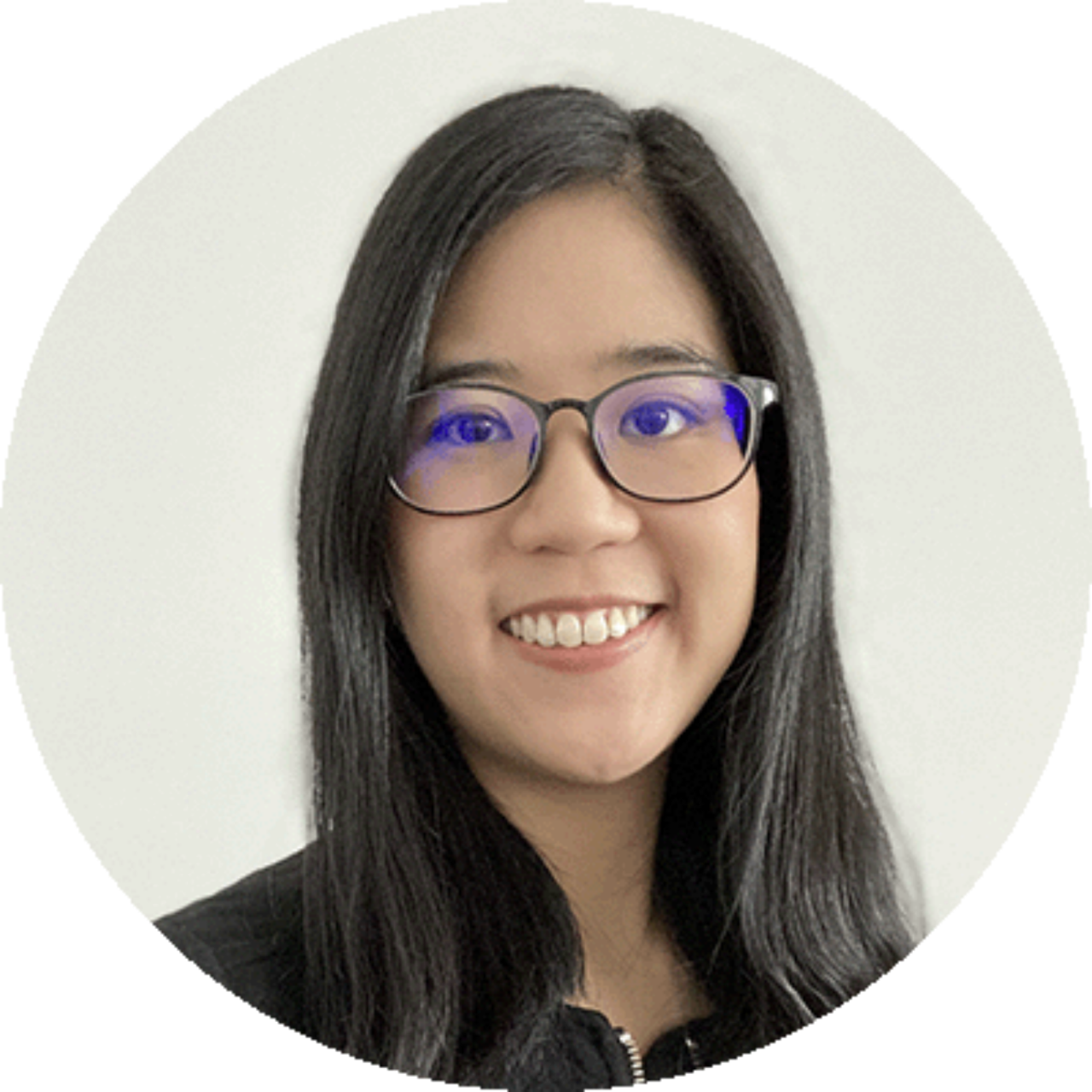
Belinda brings lived experience of neurodiversity and disability to shape community-driven research. She advocates for accessibility and social inclusion, focusing on improving supports for autistic children, adults and older people facing systemic barriers.
Dr Alliyza Lim
Engagement Lead
Alliyza's research focuses on improving outcomes for autistic individuals and their families. She is interested in the early detection of autism in childhood, understanding the relationship between autism and trauma, and supporting autistic individuals in the criminal justice system. Alliyza is also a clinical psychologist and autism diagnostician, and regularly works with autistic children, adolescents, and adults in a clinical setting.
Dr Baker is a Senior Research Fellow and Psychologist in the Flinders Health and Medical Research Institute Sleep Health. Her research work primarily focuses on characterizing sleep profiles in neurodevelopmental conditions (autism, ADHD, and intellectual disability), with the aim of improving early detection and informing targeted, evidence-based interventions. She is passionate about advancing inclusive, person-centred research that promotes better sleep for neurodivergent children and young people.
Email: ebaker@flinders.edu.au
Staff Profile here.
When my autistic brother was 11 years old, I remember playing a game with him on our Xbox which was making me really angry — the whole time, I noticed him carefully watching my face and listening to my unsavoury reactions before clearly saying: “Hmm… I think I don’t really want to play this anymore.” I felt that his decision clearly had my wellbeing in mind, and it made me think that maybe autistic people weren’t "missing social cues" at all. My research intends to reframe this stereotype through the lens of the Double Empathy Problem. I incorporate my fascination with language into both my lived experience as a neurodivergent individual, and my experience growing up immersed in neurodivergent communities. We’re currently investigating the role anxiety and cognitive load has on our ability to repair communication. Research suggests a lot of autistic people disproportionately experience anxiety. and we think that maybe our minds can become quickly overwhelmed by anxious thought — mental space that would otherwise be allocated on focusing on conversation and thinking about what we want to say next. Over time, across all kinds of people, this anxious tendency has unfairly been judged as a “deficit” in communication, when in reality, maybe the solution would simply be to be like my brother: be more patient with people, and just try to understand what they’re feeling.
My research explores why autistic individuals may be prone to disproportionately negative outcomes in forensic and legal settings. Focusing on how autistic people are perceived by others, particularly in relation to remorse, I investigate the factors that may contribute to misunderstanding, biased judgements, and unequal treatment. This research seeks to identify the mechanisms underlying these perceptions and inform strategies to reduce bias and improve outcomes for autistic people.
Email: leah.burleigh@flinders.edu.au
Staff profile here.
My research applies a comprehensive biopsychosocial approach, integrating genetic and environmental risk factors across a range of mental health and neurodevelopmental phenotypes. Building on this framework, I have a growing interest in understanding the genomic basis of autism, and how shared genetic and biopsychosocial mechanisms may explain its overlap with other outcomes I study, including disordered eating and broader mental health difficulties. This work also extends to the cognitive and socio-emotional correlates of autism, particularly its relationship with social anxiety and individual differences in sensitivity to reward and punishment. Together, this strand of research aims to situate autism within a wider biopsychosocial model, linking genomic risk to cognitive processes and co-occurring behavioural and mental health outcomes.
Email: sarah.cohenwoods@flinders.edu.au
Staff profile here,
Discovering functional biomarkers for autism is the main driver of this program of research. Previous work has identified retinal signals that are atypical in autism and could be used as a marker for the early detection and monitoring of autism. Because the retina is an extension of the brain and uses the same signalling molecules, studying the retina provides an accessible window into cortical development. Our current project “Development of Intelligent Systems and Intervention with Serious Games and Neurofeedback for the Diagnose and Cognitive Training of Children in the Autism Spectrum” in collaboration with the Instituto Santosd Dumont, Brazil and the University of Connecticut, USA is developing a medical device to record retinal signals to support the early diagnosis of autism. The project utilises machine, learning, signal analysis, and biomedical engineering to support the FARI initiatives.
Email: paul.constable@flinders.edu.au
Staff profile here.
Jodie is part of a small lived experience-led FARI research team working on research projects designed to better understand the experience of marginalised Autistic young people. Current projects include: The lived experience of marginalised undiagnosed and recently diagnosed Autistic teens: cis gender girls, trans people and other gender and sexually diverse young people, to gain a deeper understanding of the lived experience of this cohort - to better understand how we can support this highly vulnerable group to better understand themselves, negotiate systemic barriers to their inclusion and access appropriate mental health support - to enable them to flourish; Autistic Traits and Gender-Based Violence: the relationship between perpetrator strategies, Autistic traits, strengths and vulnerabilities. This research identifies existent peer-reviewed literature on the relationships between perpetrator strategies and tactics for identifying and abusing victims and Autistic traits that are understood to contribute to the heightened vulnerability of Autistic people - as well as identify Autistic traits that potentially offer protective factors. Not being heard: the barriers to communication and self-advocacy for trauma affected Autistic children and young people. Given the different communication styles of this population, together with the way trauma impacts upon communication (due to nervous system responses), it is common for the lived experience of this cohort to be discounted when making critical decisions around their lives. This scoping review accounts for what we know about how communication styles of this cohort impact upon their abilities to advocate for themselves. This project is an Honours project, being led by Samantha Byrne (previously, McKenzie); Harmed in plain sight: gender marginalisation and autistic masking in education settings. This research takes an autoethnographic approach to exploring the experience of harm and gender-based violence in education settings experienced by Autistic children and young people. It maps the existing literature onto these autoethnographic narratives to inform recommendations on the support and safety needs.
Email: jodie.curthbibb@flinders.edu.au
Staff profile here.
Lachlan is a community researcher at Flinders University and has autism. He joined the diversity pathways project in 2023 working towards educating the hospitality sector to employ people with cognitive disability. He has since continued to work on projects aimed at improving the lives of people with cognitive disability in areas involving employment, sharing his lived experience and insights.
Email: lachlan.dunn@flinders.edu.au
Staff profile here.
Dr Tammie Foster's work examines how autistic people are understood, assessed, and supported across health, justice, and community settings. Her research focuses on reducing inequities arising from autistic communication differences, particularly in perceptions of remorse, credibility, rehabilitation, and risk within legal decision-making. She is developing human-in-the-loop, multimodal approaches to improve the fairness and transparency of these assessments, while also contributing to research on autism support pathways and service navigation. Her broader aim is to ensure that systems and services better recognise autistic peoples lived experiences, communication styles, and support needs.
Email: tammie.foster@flinders.edu.au
Staff profile here.
Dr Gareth Furber manages the content on BetterU, Flinders University's student wellbeing portal, which aims to equip students with the knowledge, skills, tools and resources to support their wellbeing. Although his role is not research-focused, he is particularly interested in how emerging knowledge about neurodiversity and adult autism can be translated into practical, accessible support for students. Through the Flinders Autism Research Initiative, Gareth hopes to build connections with researchers and stay informed about developments that may help shape future wellbeing resources for neurodiverse students.
Email: gareth.furber@flinders.edu.au
Staff profile here.
As a PhD student working with A/Prof Nathan Caruana and Prof. Michael Wenzel, my research aims to improve employment outcomes for autistic people by understanding and reducing stigma in workplace settings. This research focuses on how diagnostic labels and stigma influence workplace evaluations of autistic people, with a particular focus on high-stakes employment contexts such as job interviews, probation meetings and salary negotiations. My research also explores how virtual reality (VR) technology can be used to measure, identify, and reduce stigma-related biases.
My research explores how autistic and neurodiverse people use online spaces to connect with others, find information, build communities, and express their identities. I am interested in what makes online experiences helpful, trustworthy, and inclusive, as well as how people respond when information is misleading. My particular interest is in misinformation and conspiracy theories, including how online experiences may sometimes intersect with extremist content and pathways towards radicalisation. My work aims to better understand these experiences and help develop safer, more inclusive, and more practical ways of supporting autistic and neurodiverse people online.
Email: neophytos.georgiou@flinders.edu.au
Staff profile here.
Leanne is a Student Access and Inclusion Leader whose research focuses on person-centred transition planning for Autistic people. Her work examines how individualized social communication planning and supports can enhance participation and independence, during key life transitions. Through this research, she seeks to inform more responsive and effective approaches to transition planning and inclusive practice. Her broader aim is to advance evidence-based strategies that support social communication development and improve participation and outcomes across education, employment, and community contexts.
My research examines how online environments shape adults’ engagement with autism self-diagnosis. With autism identification increasing, questions remain about whether this reflects a genuine rise in prevalence or shifting diagnostic awareness. As people increasingly rely on digital diagnostic language and social media, self-diagnosis can offer clarity and belonging, but may also introduce risks such as over-pathologising normative experiences or nocebo-like effects, where negative expectations amplify perceived symptoms. This project will consider who is engaging in self-diagnosis and why, exploring the characteristics, motivations, and contextual influences that shape this pathway in contrast to formal diagnosis.
Email: chelsea.hearl@flinders.edu.au
Staff profile here.
I’m the Director of Research and also the Technical Lead for the Rehabilitation and Assistive Technology Group within the Medical Device Research Institute at Flinders University, and my connection to autism has been through two recent pilot study projects. The first project was investigating LEGO® robotics therapy for autistic students, and the second was investigating ways to enhance social collaboration in autistic pre-teens using Minecraft™. We’ve published the results and outcomes of both studies in Open Access peer-reviewed Q1 journals that can be accessed here (for the LEGO® robotics study) and here (for the MinecraftTM study).
Email: david.hobbs@flinders.edu.au
Staff profile here.
My research focuses on autism and crime, with a particular interest in how autistic individuals understand wrongfulness within criminal justice and forensic contexts. I explore how autistic people perceive and reason about the wrongfulness of criminal behaviour, and how this understanding may contribute to legal decision-making and justice outcomes. Through this research, I aim to contribute to a greater understanding of autism within criminal justice processes, inform educational strategies that may reduce offending risk, and support more equitable forensic practices.
Email: molly.kernahan@flinders.edu.au
Staff profile here.
My research advances autism studies by developing innovative methods to identify retinal biomarkers for autism spectrum disorder (ASD) and ADHD using electroretinogram (ERG) analysis and machine learning. For example, my work on spectral analysis of ERG data (e.g., Manjur et al., 2023; Constable et al., 2021, 2022) enables earlier and more accurate detection of neurodevelopmental conditions. I also explore non-invasive, scalable tools, such as wearable devices, to make diagnostics more accessible. My expertise in distributional regression modeling (GAMLSS) and statistical learning provides robust frameworks for analyzing the complex, heterogeneous data often encountered in autism research. Additionally, my commitment to open science and replicability ensures that my findings are transparent and actionable for multidisciplinary teams. Projects like "Identifying retinal markers for ADHD" and "Electroretinogram in your pocket" reflect my dedication to translating research into practical, real-world solutions for clinical and educational settings.
Email: fernando.marmolejoramos@flinders.edu.au
Staff profile here.
Dr Elizabeth (Lizzie) Osborn is a Clinical Psychologist and Early Career Researcher whose research focuses on the intersection of autism, homelessness, health, and trauma. Her work explores why autistic people are at increased risk of homelessness, the barriers they face in accessing health and support services, and how neuro-affirming, evidence-based approaches can improve outcomes. Through quantitative, qualitative, and longitudinal research, she aims to translate research into practical changes that improve policy, service delivery, and the lives of autistic people and their families.
Email: lizzie.osborn@flinders.edu.au
Staff profile here.
My research focuses on how autism is embodied, and how these embodied experiences can shape our understanding of autism beyond ableist frameworks. My work focuses on aspects of autistic embodiment such as masking, communication, gender and sexuality, and community formation. By examining these dimensions of autistic life, my work aims to contribute to improved well-being and quality of life for autistic people. I am also part of a research team developing resources to support neurodivergent postgraduate students, with a particular focus on supervisor strategies and styles.
Email: cambrey.payne@flinders.edu.au
Staff profile here.
Damien’s work primarily focuses on trans autistic people, both in terms of research and clinical practice. With regard to research, Damien’s work examines how being autistic gives trans people a unique view on both what it means to be trans and what it means to be autistic, and more broadly what it means to view gender as a category through an autistic lens. As a psychotherapist, most of Damien’s work is with autistic trans young people, and these conversations inform Damien’s broader focus on lived experience.
Email: damien.riggs@flinders.edu.au
Staff profile here.
Taylor is a teaching specialist (clinical practitioner) at Flinders University, and her research interests broadly relate to trauma, the prevalence of mental health diagnoses in the general population and wellbeing of Honours students. Specifically, Taylor is interested in concept creep—the idea that as we increase our knowledge of mental health systems, associated mental health terms and diagnoses are expanding to include broader symptoms and experiences. Clinically, Taylor is an autism diagnostician and often works with neurodiverse people who are involved with the criminal justice system.
Email: taylor.swain@flinders.edu.au
Staff profile here.
Yasmin's research explores post-traumatic stress disorder (PTSD) in autistic and non-autistic adults, with a particular focus on understanding the cognitive factors that may influence trauma-related outcomes. Her work examines the role of thinking styles, beliefs, and other cognitive processes in the development and maintenance of PTSD symptoms. She is also investigating how coping strategies and social support contribute to trauma recovery in autistic adults. Through this research, Yasmin aims to inform clinical practice and improve the support and treatments available to autistic adults who have experienced trauma.
Norman (Qi Sheng) Tan is a PhD candidate in Psychology at Flinders University. His research focuses on autism in adults, particularly how autistic traits influence social communication and social cognition, including social judgement, perception, and expression. His work examines how people perceive remorseful and apologetic cues and investigates differences in verbal and facial expressions across social situations using automated facial expression analysis. He is interested in identifying the behavioural patterns underlying everyday social interactions, with the aim of improving understanding of autistic social communication and informing more evidence-based research and practice.
Email: norman.tan@flinders.edu.au
Associate Professor Selina Tually is a social geographer with research expertise spanning community development, housing, homelessness and social resilience. Selina's work predominately looks at how we can better shape our systems, services and programs to meet the needs of the people they are there to serve, including people living with disability, victim survivors or domestic, family and sexual violence, people experiencing homelessness and people from diverse backgrounds among others.
Selina is currently supporting work investigating how autistic people experience homelessness services and some parts of the social care system and how services in these systems see and respond the needs of autistic people.
Selina has lived experience as a parent of an autistic child and as a carer of family members living with disability.
Email: selina.tually@flinders.edu.au
Staff profile here.
Hamish is interested in the relationship between autism and vulnerability to, in extremely rare circumstances, becoming involved in radical groups or adopting extreme ideology. Hamish's research looks at how specific traits, life experiences, and social circumstances can interact in complex ways to shape a person's radicalisation path. Broadly, Hamish's aim is to build a more accurate and nuanced understanding of the ways in which autistic individuals can become involved in radical groups and ideologies, and to inform better support and responses from clinicians, forensic professionals, and policymakers working with autistic people.
Email: hamish.watt@flinders.edu.au
My autism research focuses on improving wellbeing, participation, and outcomes for autistic people through evidence-informed and community-engaged research. I have contributed to the development of Australia’s National Autism Strategy and the Australasian Autism Research Priorities, working closely with autistic individuals, families, researchers, and service providers to identify priorities for policy and practice. My research has also examined social skills interventions for autistic children and adolescents, evaluated wellbeing and creative engagement programs for autistic adults, and supported co-produced research that centres autistic voices and lived experience.
Email: patrice.whitehornesmith@flinders.edu.au
Staff profile here.
Many autistic individuals process the visual world differently, but these differences can be mistaken for behavioural or sensory traits, which means visual needs often go unnoticed and unsupported. This program of research investigates the connection between visual processing in autism and the neurodevelopmental condition: Cerebral Visual Impairment (CVI), where the brain has difficulty making sense of what the eyes see. Autism and CVI share similar visual behaviours, such as unusual eye contact, light gazing, or finding busy, cluttered environments overwhelming. Because these behaviours overlap, it can be hard for health care professionals to know what's driving them, and the individual’s visual needs can be overlooked. Understanding how autistic people see and experience their surroundings can make a real difference to support at school, at home, and in everyday life. By addressing visual processing needs, this research aims to enhance the support of autistic individuals to enable them to engage fully and comfortably with the world around them.
Email: lynne.loh@flinders.edu.au
Staff profile here.
Carol is a Clinical Psychology PhD student whose research is focused on exploring why some autistic people may unknowingly become involved in criminal activity. Her research investigates how difficulties updating beliefs in the face of new information may create vulnerability to exploitation, with the goal of increasing the available evidence base to support fairer legal outcomes for autistic people.
Email: lawt0034@flinders.edu.au
Staff profile here.
I am a PhD student working with A/Prof Nathan Caruana (Director of Human, Artificial & Virtual Interactive Cognition Lab) and Dr Annabelle Neall (Director of Flinders Workplace Wellbeing Lab) investigating the experience of autistic people in the workplace. My research looks at increasing workplace wellbeing for autistic people, with a particular focus on workplace bullying and harassment. My previous research was in the area of developmental neuropsychology investigating the relationship between ADHD and craniosynostosis. My interests include neurodiversity, personality disorders, and the intersection of mental health and physical health.
Email: olivia.lange@flinders.edu.au
The Flinders Autism Research Initiative welcomes collaboration across academia, industry, community and government. We invite autistic people, families and researchers to work with us to shape projects that reflects real-world priorities and lived experience.
Whether you’re interested in developing new research, sharing lived experience, or taking part in studies, we encourage you to connect with us.
As part of our commitment to research excellence, we hold four annual meetings with a diverse group of people working in research relevant to autistic people. These meetings focus on a significant challenge relevant to autism research, raised by a member of the group. The challenge is outlined and discussed before solutions and advice are offered. Members are encouraged to form relationships as a community and exchange support, advice and resources. If you perform research in an area that influences autistic people – including Higher Degree by Research students – we invite you to contact us and look forward to seeing you soon.
The HAVIC Lab is a founding partner of the Flinders Autism Research Initiative. The lab investigates how people engage with human and technological environments, using virtual reality, social robotics and emerging tools to examine cognitive and social processes. This work informs new approaches to interaction, support and inclusion.
Keep up-to-date with the latest news and updates from the Austism Research Initative
Our quarterly newsletter shares updates on research, emerging collaborations, community engagement and opportunities to get involved. It’s a way to stay informed about how FARI is contributing to improved understanding, access, inclusion and wellbeing across autistic lives.
Sturt Rd, Bedford Park
South Australia 5042
South Australia | Northern Territory
Global | Online
CRICOS Provider: 00114A TEQSA Provider ID: PRV12097 TEQSA category: Australian University
Flinders University uses cookies to ensure website functionality, personalisation and a variety of purposes as set out in its website privacy statement. This statement explains cookies and their use by Flinders.
If you consent to the use of our cookies then please click the button below:
If you do not consent to the use of all our cookies then please click the button below. Clicking this button will result in all cookies being rejected except for those that are required for essential functionality on our website.