
ALLIED HEALTH
Nutrition and Dietetics, Occupational Therapy, Physiotherapy and Speech Pathology.
Allied health includes healthcare professions that support people’s movement, communication, nutrition, independence and overall wellbeing. At Flinders, you can choose to study Nutrition & Dietetics, Occupational Therapy, Physiotherapy or Speech Pathology.
You’ll apply for your chosen discipline from the start, while completing a shared first semester designed to build practical skills, clinical confidence and experience working alongside other future health professionals.
Whether you already know which allied health career you want to pursue or you’re still exploring your options, the shared first semester gives you a strong foundation in collaborative healthcare before moving into more discipline-specific study from semester two^.
This approach reflects real healthcare environments, where allied health professionals work together to support better outcomes for patients and communities.
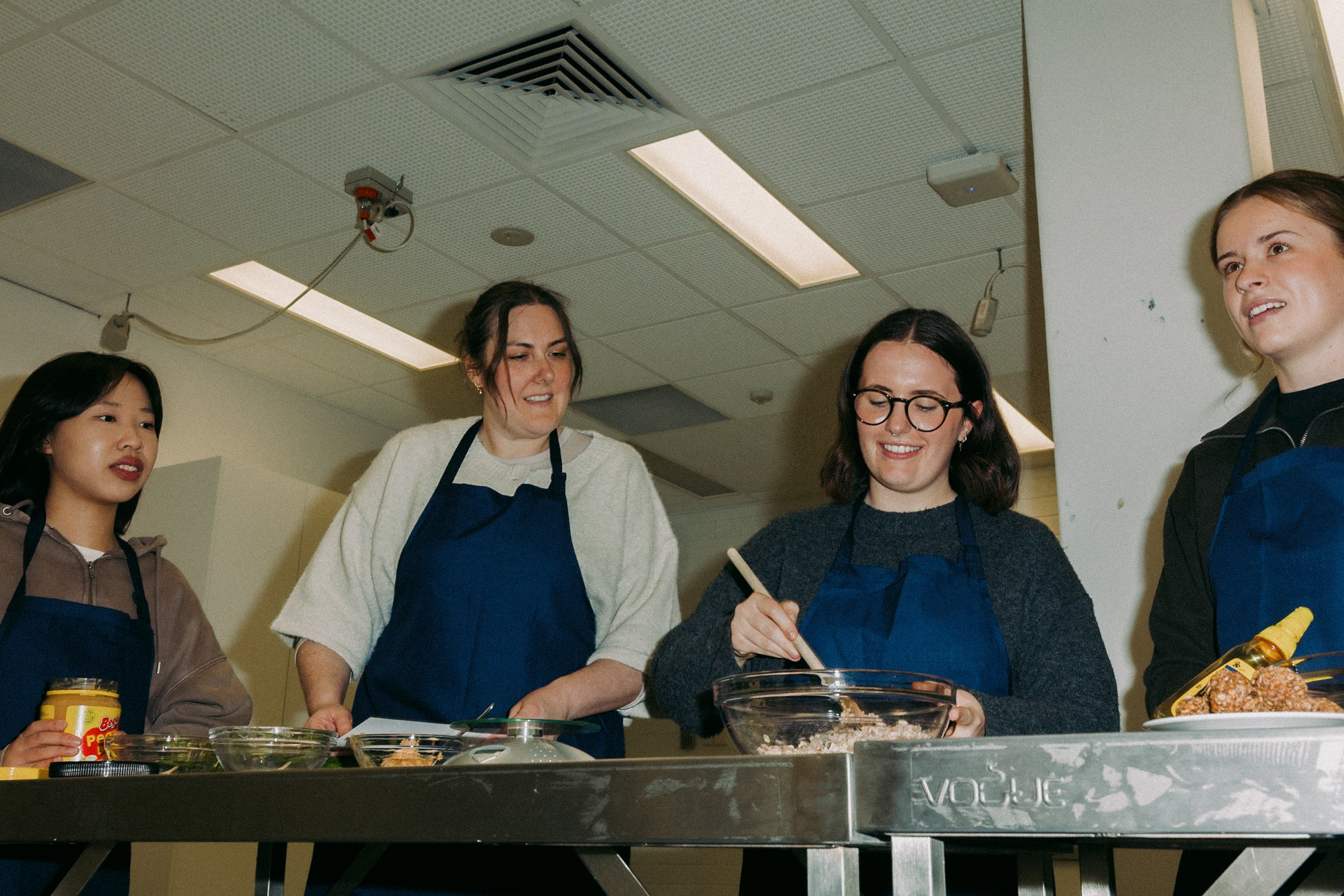
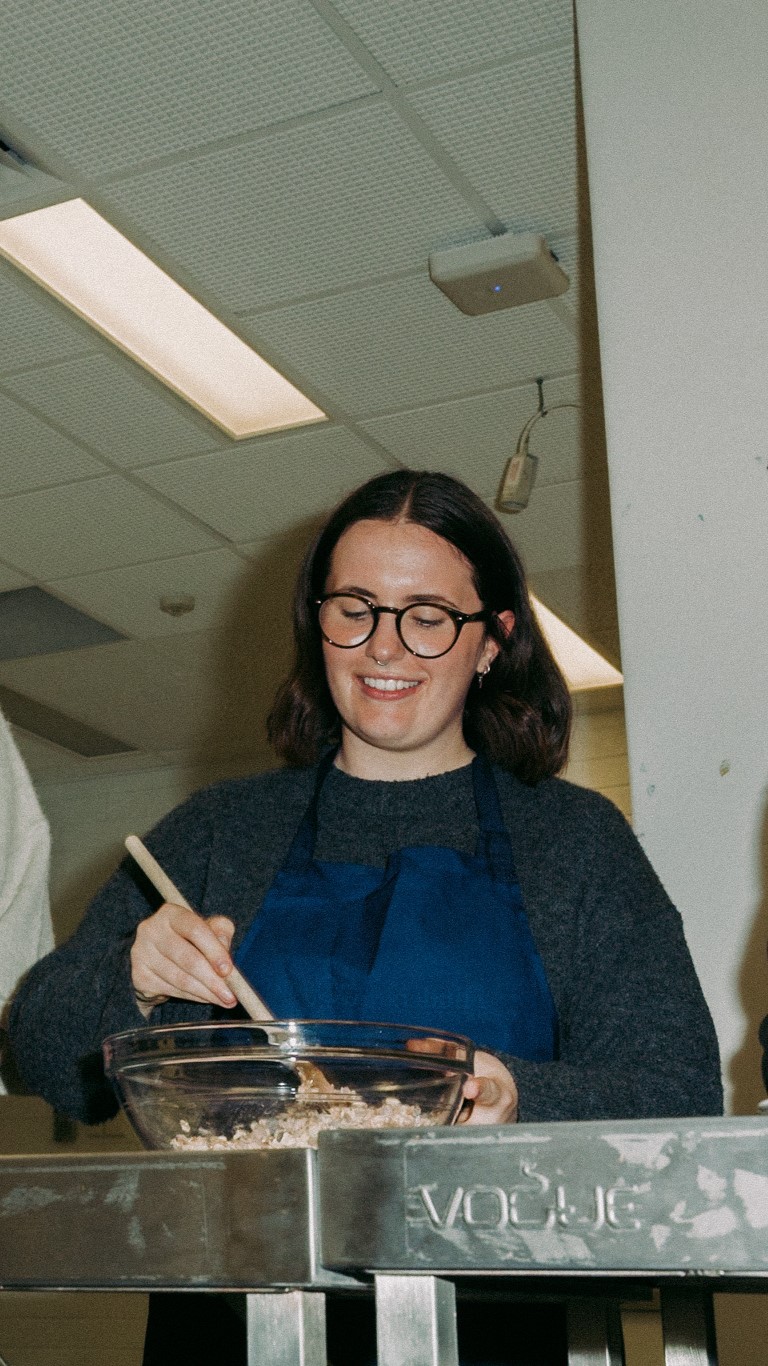
Support people to optimise their health and wellbeing through food, nutrition and evidence-based nutrition advice . From clinical settings to community health, dietitians work across diverse settings including hospitals, aged care, private practice, sports and public health. Dietitians translate nutrition science into real outcomes for individuals and populations.
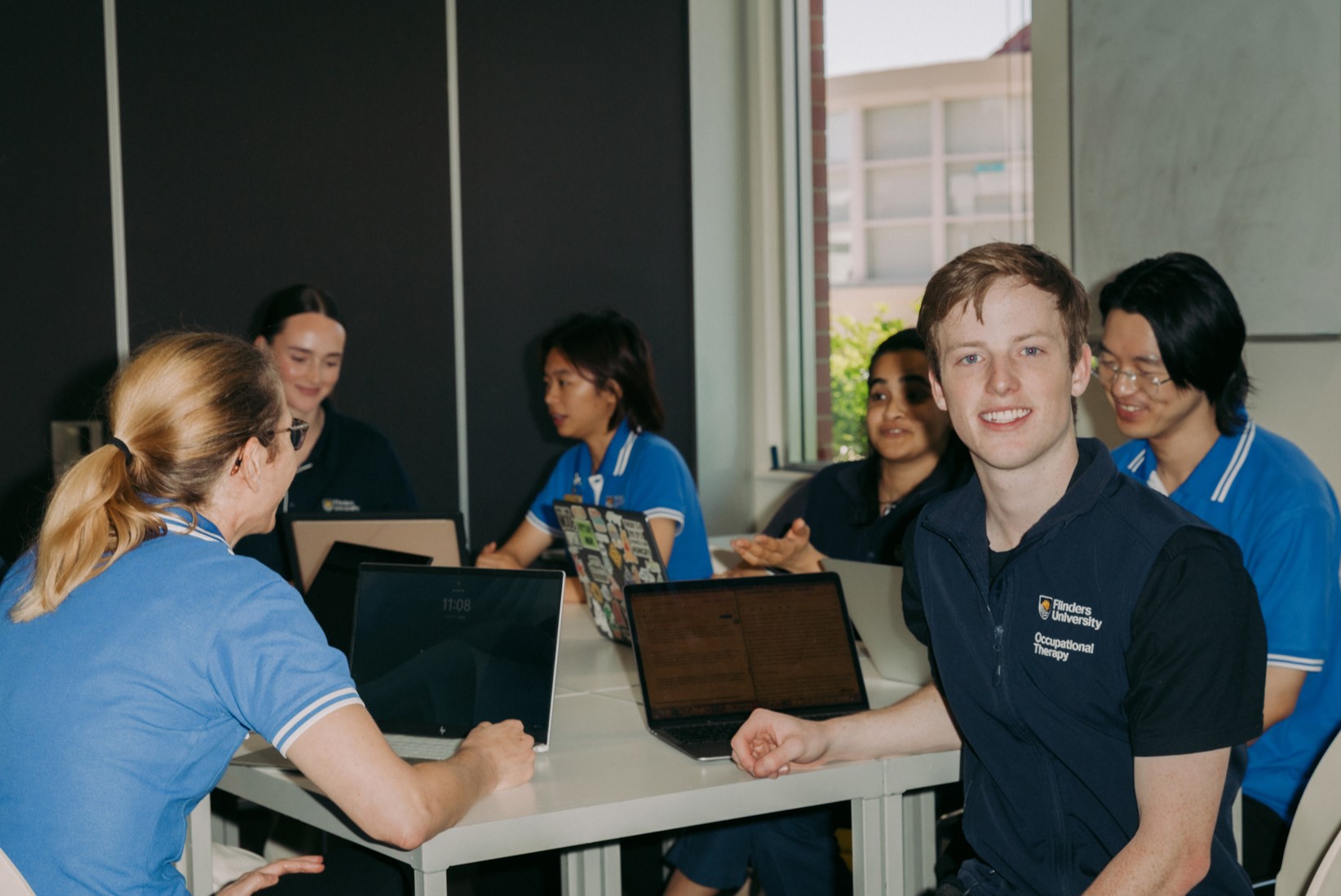
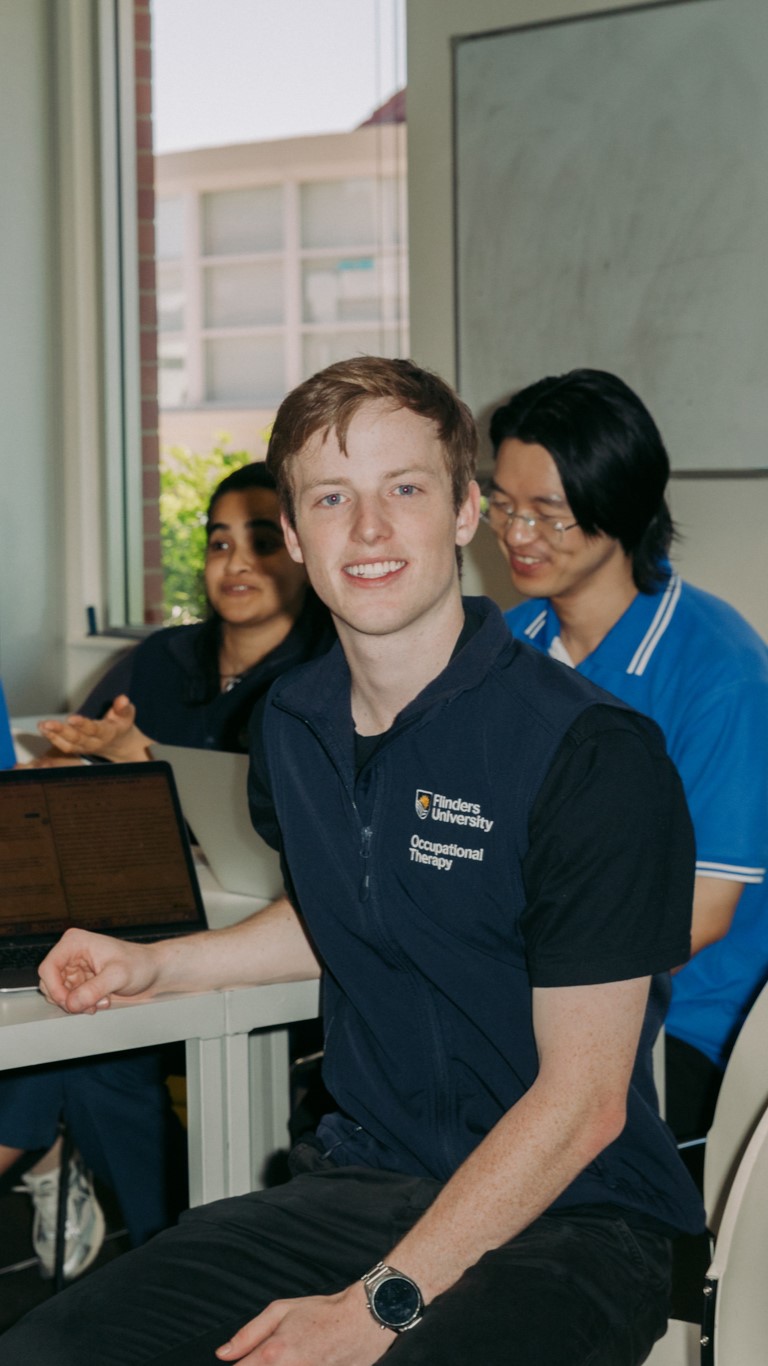
Support people to build skills, participate in everyday life and improve health and wellbeing across diverse settings. Occupational therapists help people of all ages overcome physical, cognitive or environmental barriers to live, work and engage in the activities that matter most to them.
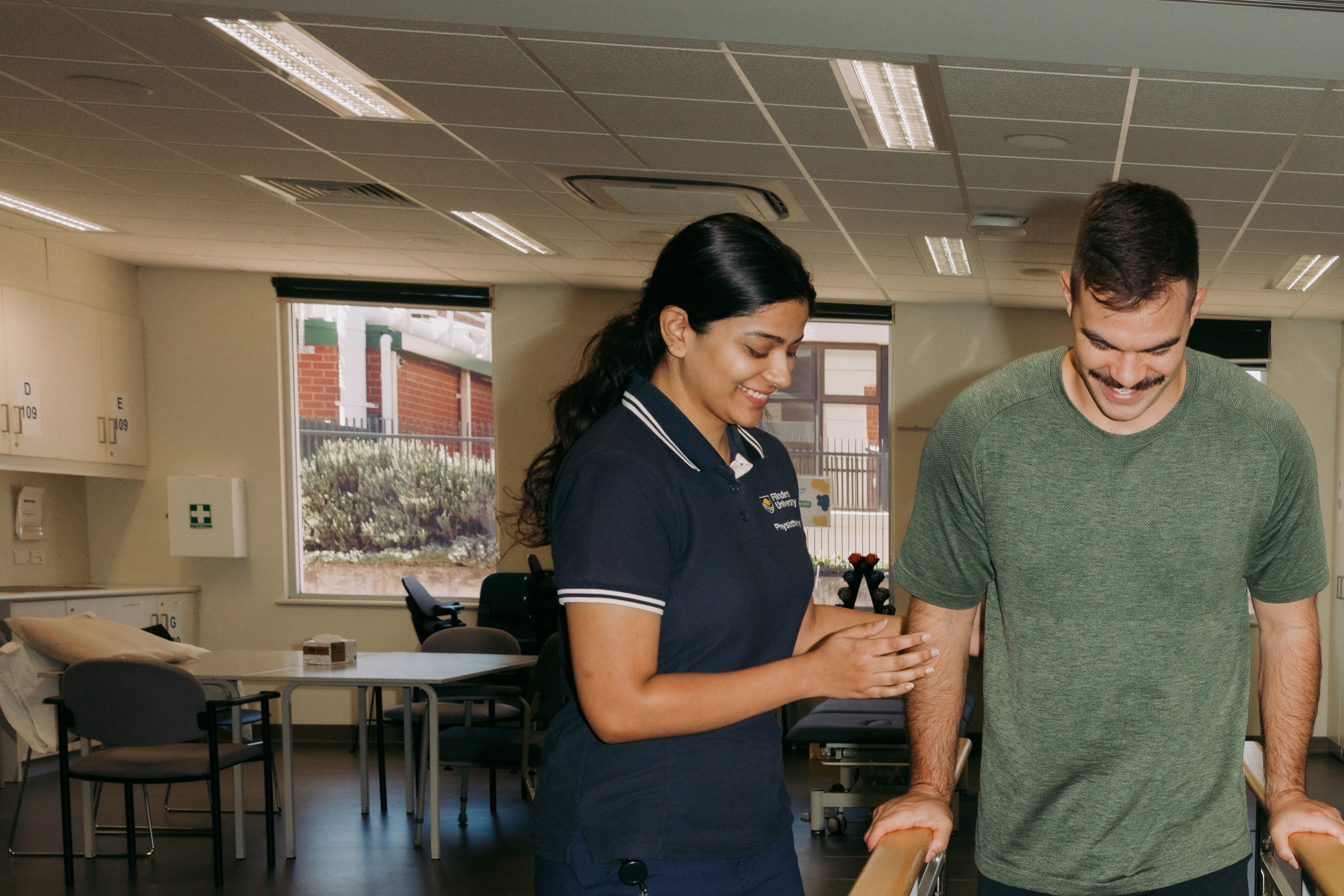
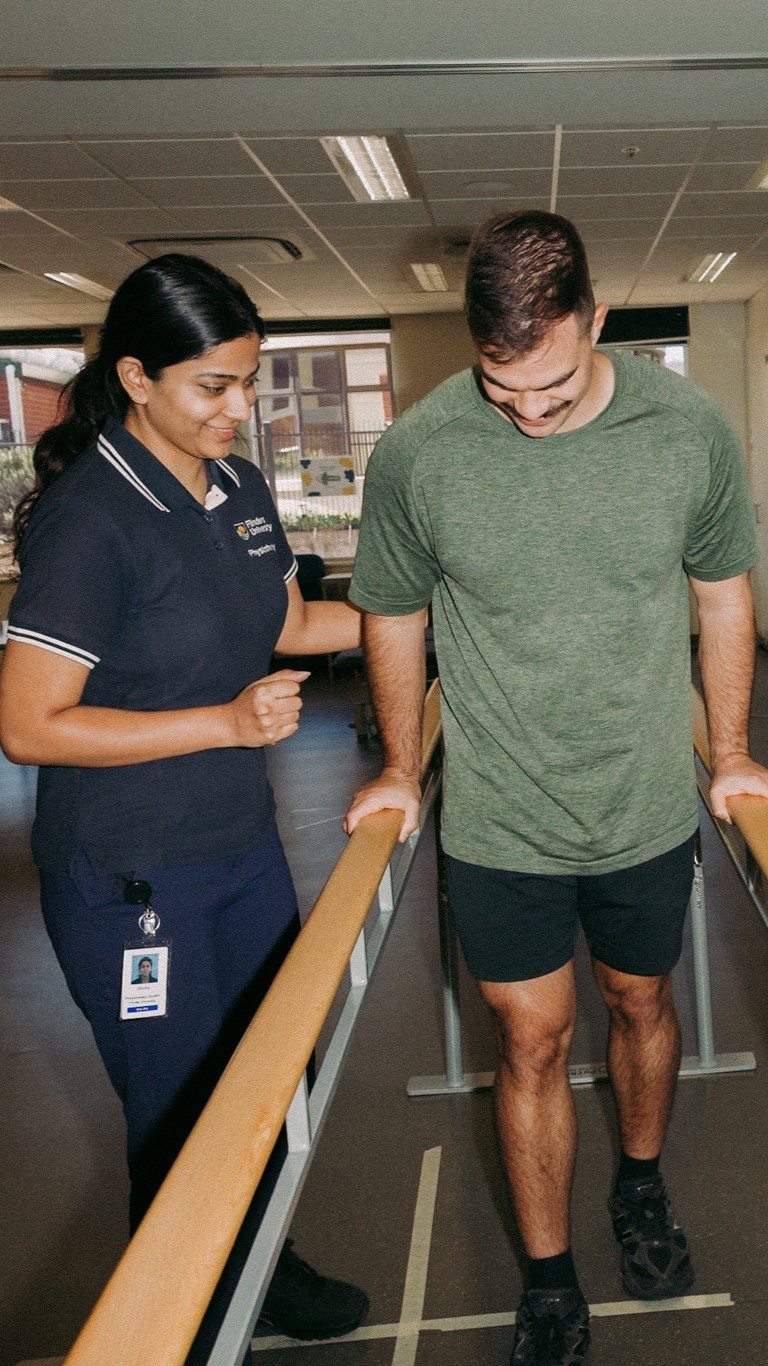
Help people improve movement, recover from injury, and enhance quality of life through evidence-based physiotherapy care. Physiotherapists help you get the most out of life, by assessing, diagnosing and managing a broad range of movement related conditions, working with people at every stage of life to move better and live well.
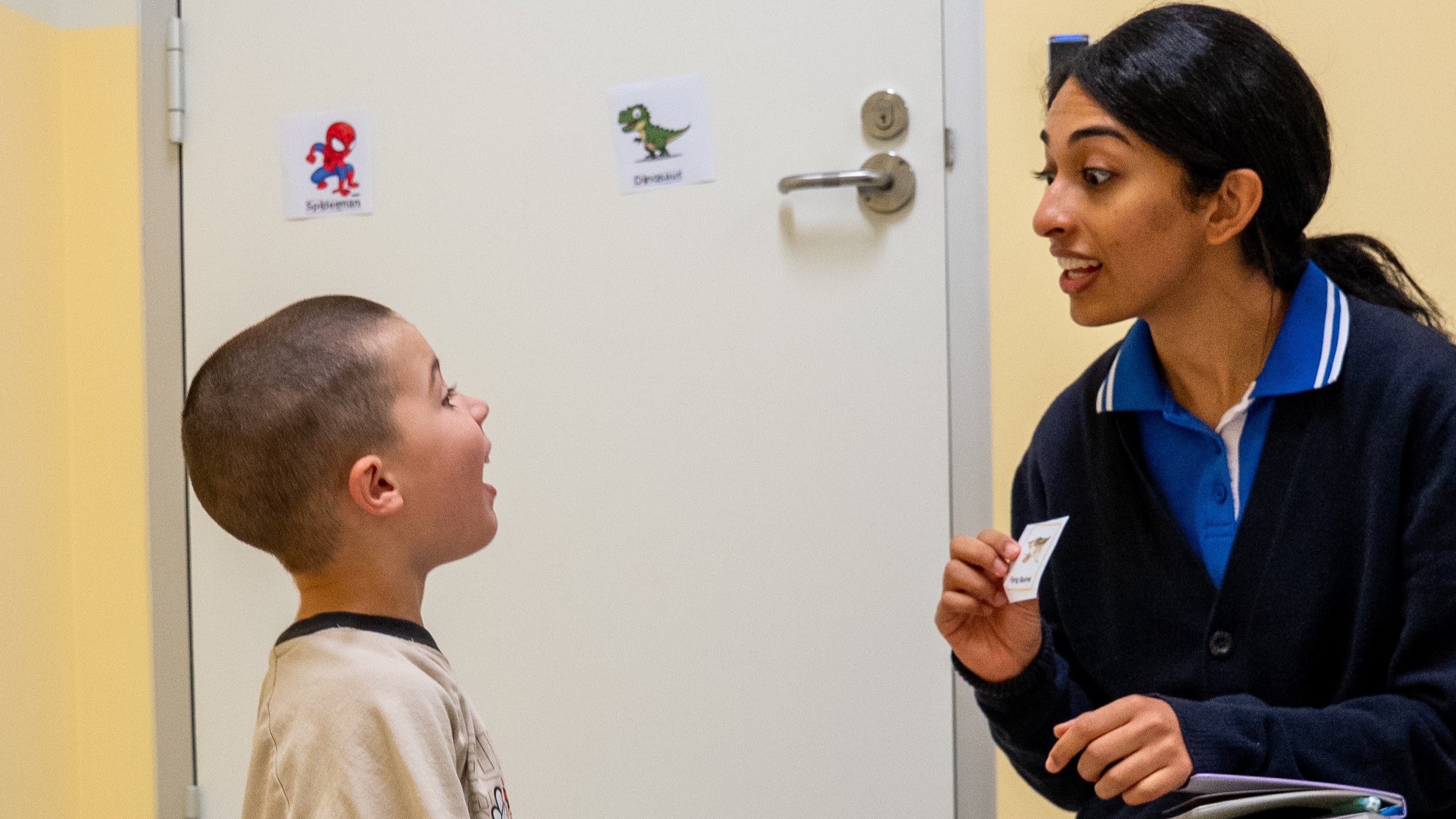
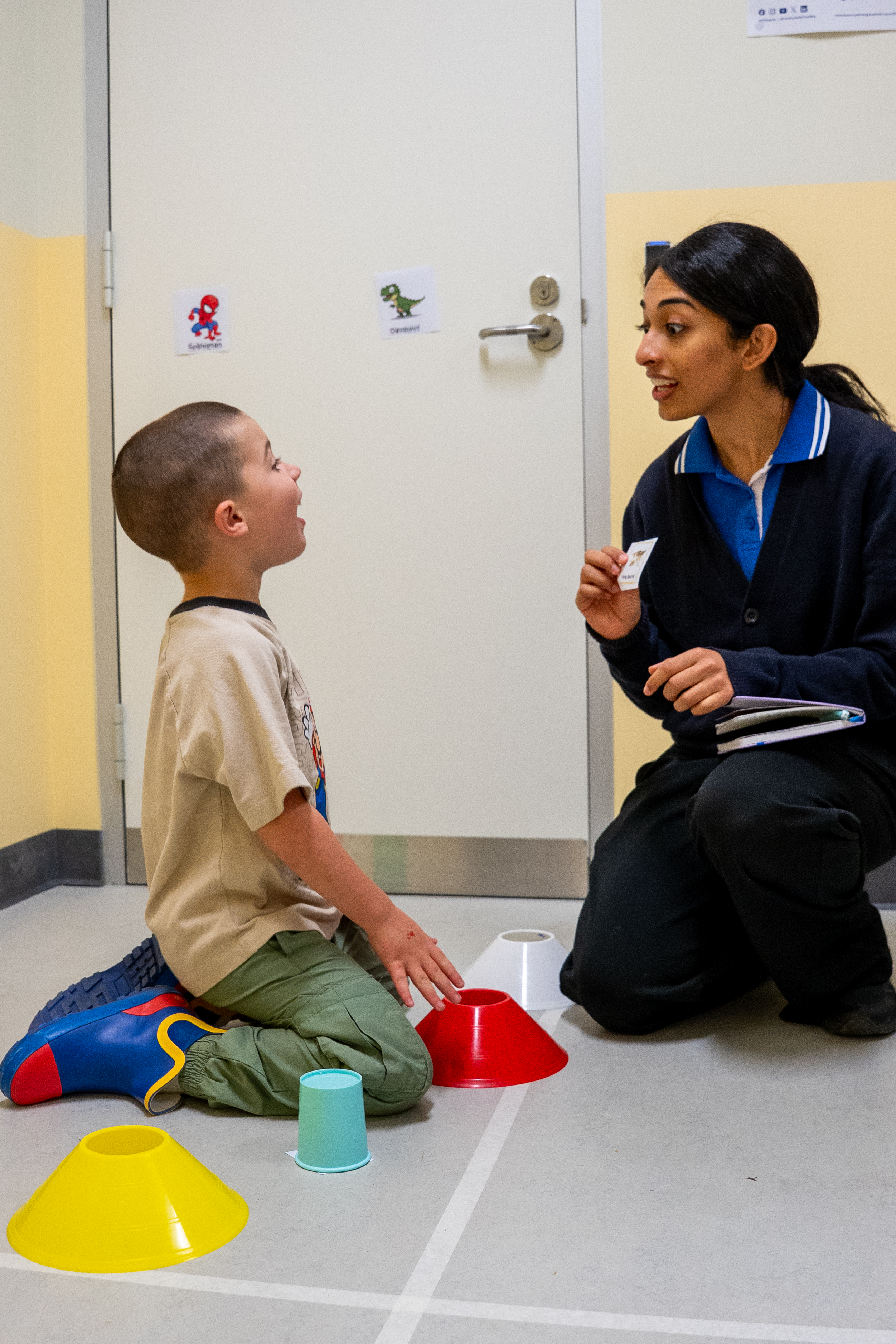
Work with children and adults to support communication and swallowing across healthcare, education and community settings. Speech pathologists assess and treat a wide range of conditions – from childhood language delays and stuttering to acquired communication disorders and swallowing difficulties following illness or injury.
Capacity note: Students commence in their chosen discipline. Opportunities to transfer between disciplines may be considered early in the degree, subject to academic requirements and available places. Visit the transfer policy.
^Each course in the allied health suite is subject to approval.
Ranked #1 in South Australia in Health Services & Support for learner engagement, skills development, graduate salary and full-time employment.
Bachelor of Nutrition and Dietetics
Support people to optimise their health and wellbeing through food, nutrition and evidence-based nutrition advice.
Bachelor of Occupational Therapy
Support people to build independence, participate in everyday life and improve health and wellbeing across diverse settings.
Bachelor of Physiotherapy
Help people improve movement, recover from injury, and enhance quality of life through evidence-based physiotherapy care.
Bachelor of Speech Pathology
Work with children and adults to support communication and swallowing across healthcare, education and community settings.
Apply directly into Nutrition and Dietetics, Occupational Therapy, Physiotherapy or Speech Pathology.
From first semester, you’ll build discipline knowledge while learning alongside other allied health students.
Complete shared first-semester topics designed to build:
As you continue through your degree, you’ll continue building these foundational skills while developing discipline-specific expertise through practical classes, simulation, placements and clinical learning experiences.
Graduate with the skills, practical experience and professional knowledge to enter the workforce and make a meaningful difference in people’s lives.
All allied health degrees are designed to be completed in 3.5 years, with an optional honours pathway extending selected degrees to 4 years.
You’ll begin in your chosen discipline while completing a shared first semester with students across Nutrition & Dietetics, Occupational Therapy, Physiotherapy and Speech Pathology. This experience builds the foundations for both your profession and the collaborative nature of real healthcare practice.
Start building discipline knowledge while developing core skills alongside other allied health students in your shared first semester.
You may explore introductory areas such as anatomy, health communication and clinical practice.
Deepen your expertise through increasingly applied learning in your chosen profession.
Bring your learning together through advanced practice experiences and industry engagement.
An Honours pathway is available for eligible students, with Honours undertaken in the fourth year of study within a four-year full-time equivalent program.
Allied Health services are expected to grow 15.4% by 2030 and 29.1% by 2035. Allied health professionals play a critical role across healthcare, disability, education, aged care, rehabilitation and community services.
Nutrition and Dietetics is also a profession which allows you to work with a range of other professionals to help people achieve their goals, which is really inspiring.
I've enjoyed working with my peers in a collaborative environment and my placement experience have been invaluable - giving me real-world insights into OT practice and helping me build confidence in clinical settings.
I would advise to enjoy and make the most of every opportunity that presents itself to you. Physiotherapy at Flinders has many unique and valuable opportunities that cannot be done elsewhere.
Studying speech pathology at Flinders University is full of fun, laughter, and friendships, alongside developing practical and academic knowledge.
Your learning is grounded in real clinical environments across our City Campus, Bedford Park facilities and regional sites giving you experience in the settings where healthcare is actually delivered.
Learn in advanced allied health simulation and teaching labs that replicate real clinical environments, located in Adelaide's leading health and innovation precinct.
Build practical skills in specialist simulation facilities and collaborative learning spaces designed for nursing and allied health education.
Study in regional locations including Port Pirie, Mount Gambier and Renmark, gaining hands-on experience and insight into rural and regional healthcare practice.
Find the answers to some of our most frequently asked questions.
The Allied Health Bachelor Suite brings together a range of established health disciplines into a connected learning experience.
You will enrol in your chosen discipline from the start while completing shared foundational learning with other allied health students before progressing into your professional pathway.
This is an evolution of Flinders’ long-standing allied health programs. Disciplines such as Speech Pathology and Nutrition and Dietetics have been taught at Flinders University for over 50 years.
The new allied health suite builds on this strong foundation and industry reputation while better reflecting how modern healthcare works through shared interdisciplinary learning and profession-specific pathways.
As part of this evolution, Physiotherapy and Occupational Therapy are now offered as standalone undergraduate professional degrees, creating a more direct pathway into these professions while still incorporating shared first-semester learning alongside other allied health students.
In your first semester, you will study alongside students from other allied health disciplines, building core knowledge, practical skills, and an understanding of how different professions work together.
While you remain enrolled in your chosen discipline, this shared experience helps you build confidence and early insight across allied health.
You select your discipline when you apply and enrol.
Your first semester includes shared learning across allied health, so you begin your studies within your chosen discipline from day one.
If your interests change early in your studies, there may be limited opportunity to transfer between disciplines. Any change depends on entry requirements and available places and is not guaranteed.
Yes. All students complete shared foundational learning in their first semester, giving you exposure to different allied health disciplines while you focus on your chosen profession.
Interprofessional learning continues throughout the degree, with opportunities to learn alongside students from other health disciplines through practical classes, simulation and clinical learning experiences that reflect real healthcare environments.
At this stage, we only offer Occupational Therapy, Physiotherapy and Speech Pathology in our regional locations.
Your week may include lectures, tutorials, practical classes, and simulation-based learning. As you progress, you will also complete work-based placements in real-world settings.
Yes. You will develop practical skills through simulation, lab-based learning, and work-based placements designed to prepare you for real-world practice.
Yes. placements are a core part of your degree and are required for professional accreditation. These take place in hospitals, community services, schools, NGO’s and other healthcare settings, including regional locations.
Placements are coordinated by the university to ensure all requirements are met. Visit the placement page for more information.
Yes. An optional honours pathway may be available if you meet the required academic performance and entry requirements. If eligible, you can apply towards the end of your third year and extend your study by an additional 6 months to complete honours.
Find the answers to some of our most frequently asked questions.
The type of documents you will need for your international application depends on what course you are applying for and which country you are a citizen of. Course requirements are stated on each course webpage. Examples of documentation you might expect to provide for your international application include a copy of personal identification, academic transcripts or a resume.
Once you have received your Confirmation of Enrolment (CoE) letter from Flinders University, you should apply for your visa as soon as possible as visa processing times can vary. You will receive your CoE letter after you have applied to study at Flinders, accepted your offer and paid the semester tuition fee.
No. Part-time study is currently not available for international students due to visa conditions.
No. Online study is currently not available for international students due to visa conditions.
If you don’t meet our English language or academic entry requirements, you can still gain entry to Flinders University through our on-campus pathway provider Flinders University Academy. Alternatively, you can improve your English language proficiency through our approved English Language Instruction Course for Overseas Students (ELICOS) providers.
You can apply to study as an international student directly through Flinders University or an authorised agent in your country.
If you are from one of the countries listed here, you are required to apply via an education agent. If you reside onshore in Australia, you will not require an agent even if you are from the countries listed above.
Yes. As a student visa (subclass 500) holder, you and your dependents (family members) can work up to 48 hours a fortnight when your course of study is in session. If you have started a master degree by research or doctoral degree, this rule does not apply to you and working hours are not restricted.
Our dedicated International Student Services (ISS) team provide a range of programs supporting your enrolment, study and social life, as well as a referral service to facilities on campus and within the local community.
Unable to find answers? Get in touch with us.
Sturt Rd, Bedford Park
South Australia 5042
South Australia | Northern Territory
Global | Online
CRICOS Provider: 00114A TEQSA Provider ID: PRV12097 TEQSA category: Australian University
Flinders University uses cookies to ensure website functionality, personalisation and a variety of purposes as set out in its website privacy statement. This statement explains cookies and their use by Flinders.
If you consent to the use of our cookies then please click the button below:
If you do not consent to the use of all our cookies then please click the button below. Clicking this button will result in all cookies being rejected except for those that are required for essential functionality on our website.