Available in Year 1
Semester 1
- Molecular Biotechnology
- Advanced Professional Skills
- BioBusiness
- Industrial and Pharmaceutical Biotechnology
The Master of Biotechnology at Flinders prepares graduates for leadership and innovation in the rapidly evolving biotechnology and life sciences sectors. Combining scientific expertise with practical experience and professional capability development, the course equips graduates to contribute across biotechnology, healthcare, pharmaceuticals, research and emerging life science industries.
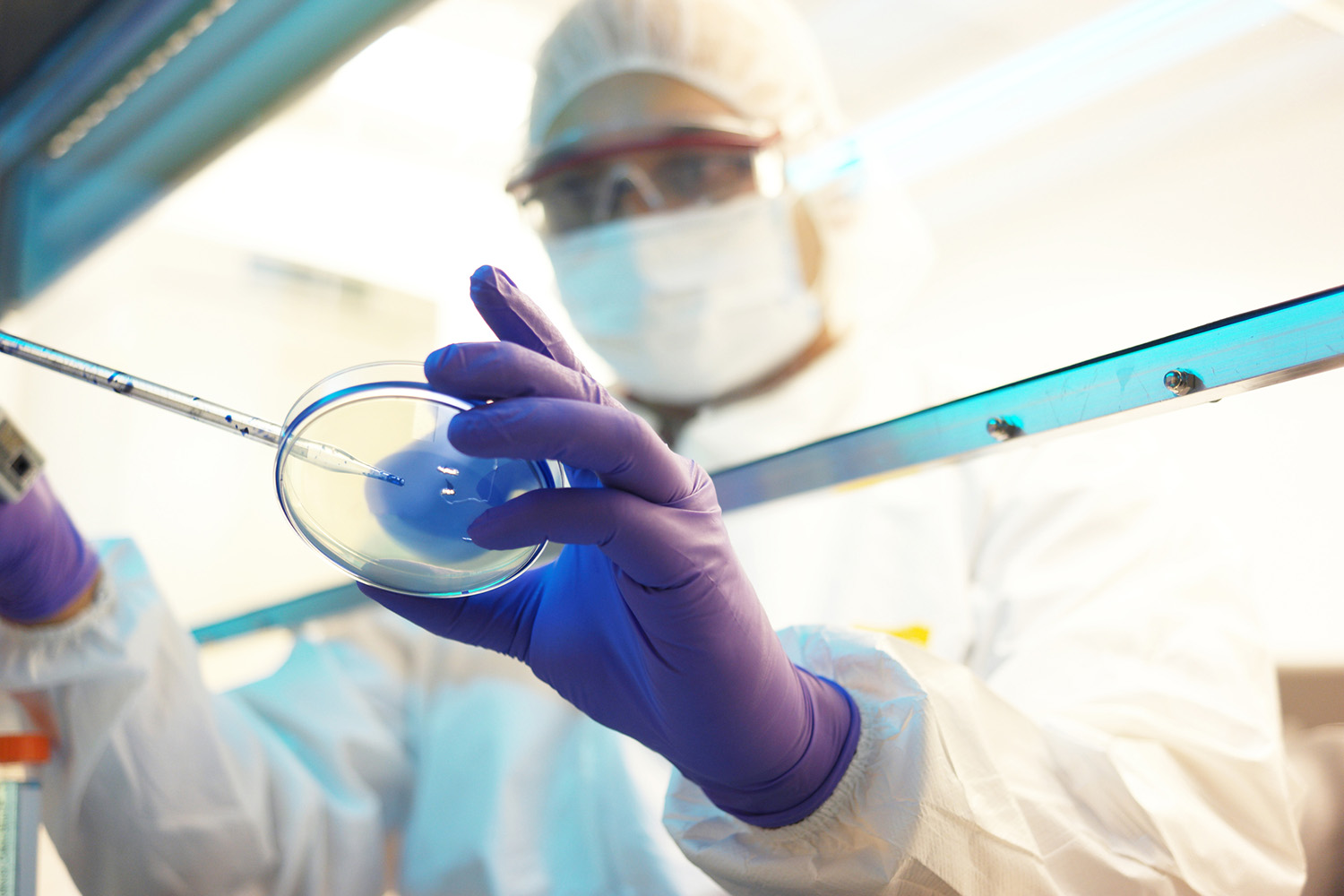
Develop advanced biotechnology knowledge from molecular foundations through to specialised laboratory and research applications. You will complete a range of topics combining practical laboratory experience, contemporary biotechnology techniques and research training. Study on campus with full-time or part-time options, completing the degree in 2 years full-time or up to 4 years part-time.

Semester 1
Semester 2
Gain valuable real-world experience through an Industry Project, tackling real challenges provided by biotechnology industry and commercialisation partners.
You can then choose to further develop your expertise through either:
Develop advanced biotechnology knowledge from molecular foundations through to specialised laboratory and research applications. You will complete a range of topics combining practical laboratory experience, contemporary biotechnology techniques and research training.
Semester 1
Semester 2
Gain valuable real-world experience through an Industry Project, tackling real challenges provided by biotechnology industry and commercialisation partners.
You can then choose to further develop your expertise through either:
The biotechnology industry is experiencing significant growth, particularly in Australia, where advancements in medical technologies, bioinformatics, agricultural biotechnology and biotherapeutics are driving innovation and investment with this projected to continue at 7.02% annually between 2026 and 2034.
You could be a
Expected salary
$96,000*
Expected salary
$105,000*
Expected salary
$90,000*
Expected salary
$80,000*
You could be a
Expected salary
$96,000*
Expected salary
$105,000*
Expected salary
$90,000*
Expected salary
$80,000*
*Salary information is based on data from sources such as Seek, Glassdoor, and Indeed, and may vary depending on factors such as location, experience, and employer. We encourage you to conduct your own research to obtain the most up-to-date information.
Students benefit from connections with organisations across South Australia's growing biotechnology ecosystem. Through guest lectures, technical seminars, research collaborations and project opportunities, students gain insight into contemporary biotechnology practice and emerging industry trends. Examples of organisations students may engage with through guest lectures, research interactions, technical seminars or site visits include SAHMRI, Micro-X, Flinders Centre for Innovation in Cancer, Pirate Life Brewery and Aushealth.
Where world-class education meets laid-back coastal living. With pristine beaches, acclaimed wineries, and vibrant festivals at your doorstep, South Australia offers an unmatched student experience.
Photo credit: SATC
Our incredible teaching and professional staff are experts in their fields and well-connected to the industry.
Associate Professor
Alistair Standish
Course Coordinator
Alistair leads the Master of Biotechnology and has more than a decade of experience teaching biotechnology at the postgraduate level. He is passionate about preparing students for successful careers in the biotechnology sector through authentic learning experiences, professional skills development, and industry engagement. He is particularly committed to supporting international students and creating inclusive learning environments that foster confidence, belonging, and academic success. His educational research explores authentic assessment, student engagement, reflective practice, and employability skills in STEM.
Dr Liu Fei Tan
Senior Lecturer
Liu Fei's educational practice focuses on authentic learning, academic literacy, practical skill development, teamwork and the responsible use of generative AI to support student learning. Her educational research explores international students’ academic literacy development and GenAI in higher education. Her laboratory research focuses on fungal natural products, including bioactive secondary metabolites from freshwater and marine fungi, and tattoo ink toxicology, particularly the cytotoxicity of intact inks and degradation products formed during laser irradiation.
Dr Nick Booth
Associate Lecturer
Nick is a Research Associate at Flinders University with a passion for plant science, biotechnology, and education. His career reflects the multidisciplinary nature of biotechnology, spanning plant science, molecular biology, genetics, biochemistry, and translational research, with publications in both plant and cancer biology. Nick is committed to advancing agricultural innovation while mentoring and developing the next generation of scientists.
Professor Ross McKinnon
Strategic Professor in Cancer Research
Professor Ross McKinnon is an academic pharmacist and pharmacologist at Flinders University. With decades of experience in pharmaceutical research, he has made significant contributions to research, policy, infrastructure, and education, both nationally and internationally. He focuses on innovative strategies to facilitate drug development and optimise the use of existing medicines.
Discover more about Flinders University’s Biotechnology students.
Meet Lashika, from Sri Lanka
She graduated with a Master of Science (Biotechnology) from Flinders University. In 2021, she was a StudyAdelaide International Student Award Winner, receiving the Postgraduate Coursework Award.
Learn About Biotechnology at Flinders
Hear from Associate Professor Alistair Standish and Masters of Biotech Students Mariya Francis and Raisha Rajib and why they chose to study at Flinders.
Master of Biotechnology Graduate, PhD Candidate
Master of Biotechnology, Graduate
Master of Biotechnology Graduate, Postdoctoral Research Associate
The teaching staff in the biotech department are helpful, understanding, and approachable.
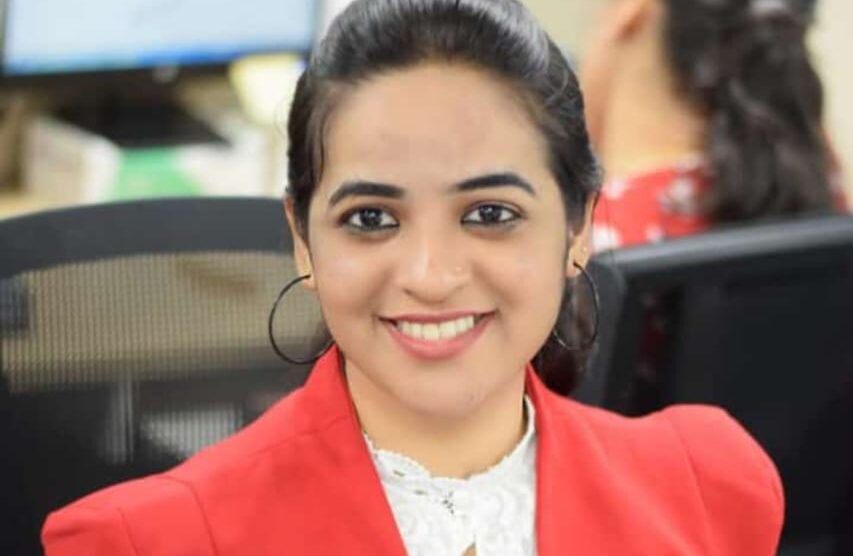
As I was attracted towards labs, studying micro organisms, and observing the living things at microscopic level, this was the best degree for me.

The course structures at Flinders can make you confident that you would be career-ready upon graduation.
Master of Biotechnology Graduate, PhD Candidate
Master of Biotechnology, Graduate
Master of Biotechnology Graduate, Postdoctoral Research Associate
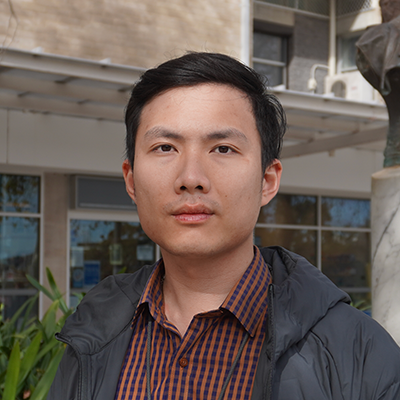
The teaching staff in the biotech department are helpful, understanding, and approachable.
As I was attracted towards labs, studying micro organisms, and observing the living things at microscopic level, this was the best degree for me.
The course structures at Flinders can make you confident that you would be career-ready upon graduation.
International Student Services (ISS) is the first point of contact for international student support. The university also offers everything from cultural, health, and wellbeing services, to academic support.
Take a virtual tour of our campuses, guided by your fellow international students.
Flinders University Student Association (FUSA) is the heart of the Flinders Experience. FUSA is where you'll find out about events, club memberships, and extracurricular activities.
Adelaide has many accommodation options for international students. You can choose to live on campus, at our city accommodation provider The Switch, or in rental accommodation.
From course advice, recognition of prior learning assessments, to study skills and financial support, we’re here to help.
Connect with Flinders alumni and industry partners through discipline-specific networks, seminars, and career events designed for postgraduate students.
Flinders’ campuses are hubs of activity, with library spaces, study and chill areas, ample parking and more.
Find the answers to some of our most frequently asked questions.
Yes. This degree is delivered on campus at Bedford Park and includes extensive laboratory-based learning. Attendance at practical classes is essential for developing the technical skills required in biotechnology careers.
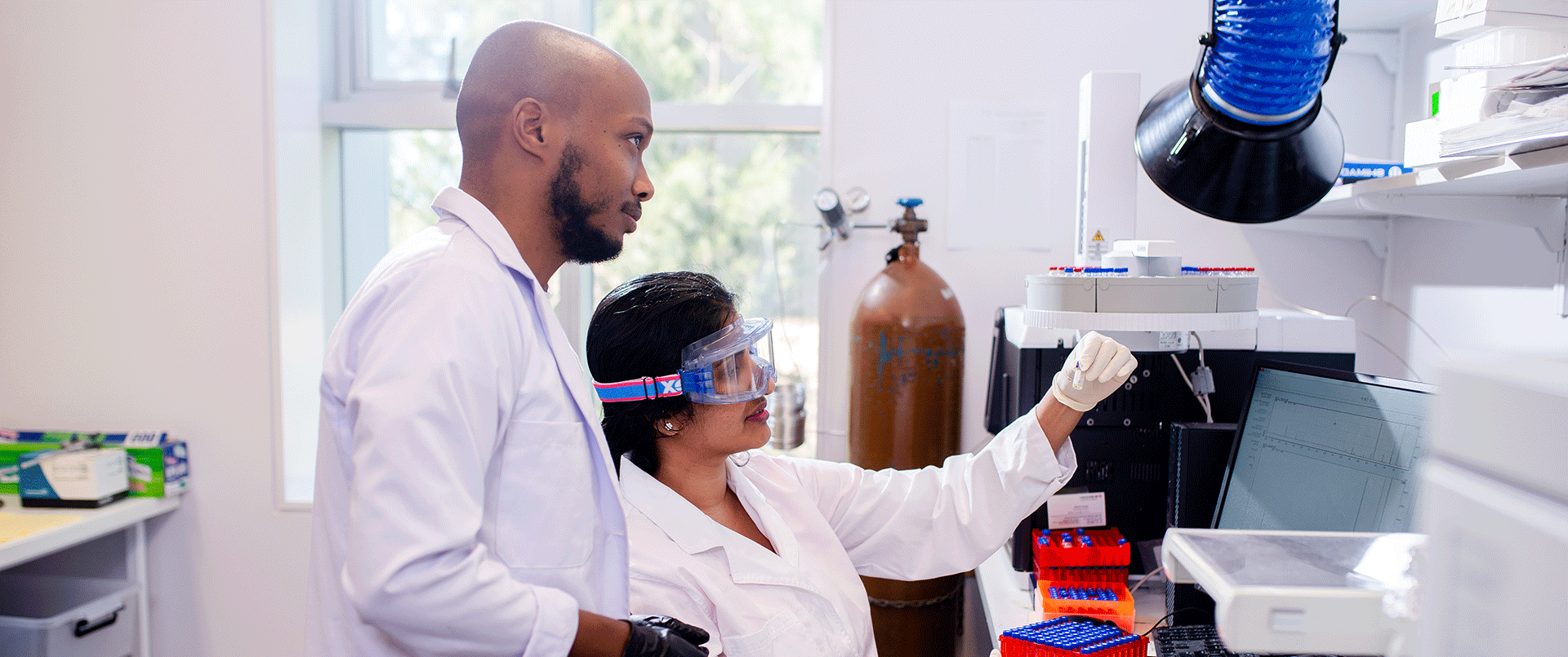
You will gain hands-on experience in contemporary biotechnology techniques, including molecular biology, protein analysis, cell culture, bioinformatics and bioprocessing. All students also complete intensive research projects.
All students can choose to further develop your expertise through either:
Flinders combines advanced laboratory training with professional skills development, research experience and industry engagement. Students learn both the science and the communication, teamwork and commercialisation skills required for modern biotechnology careers.
Yes. Research is a core component of the Master of Biotechnology. Depending on academic performance, students may complete either the Biotechnology Research Project or the Integrated Research Experience, providing the opportunity to apply their knowledge and skills to a real biotechnology research challenge.
The Biotechnology Research Project is an individual research project that provides an in-depth research experience under academic supervision. The Integrated Research Experience is a collaborative, team-based research project combined with additional coursework. Eligibility for each pathway is determined by academic performance.
Graduates may pursue careers across biotechnology, pharmaceuticals, medical technologies, diagnostics, research organisations, government agencies, regulatory affairs and related life science industries. The course also provides a strong foundation for future leadership and innovation-focused roles.
Yes. The Master of Biotechnology combines scientific knowledge, practical laboratory experience, professional skills development and an understanding of innovation and commercialisation, preparing graduates for opportunities across both industry and research settings.
Yes. The Master of Biotechnology provides a pathway to higher degree research opportunities. Depending on academic performance and meeting university admission requirements, graduates may be eligible to apply for PhD and other research degrees.
Unable to find your answers?
Find the answers to some of our most frequently asked questions.
The type of documents you will need for your international application depends on what course you are applying for and which country you are a citizen of. Course requirements are stated on each course webpage. Examples of documentation you might expect to provide for your international application include a copy of personal identification, academic transcripts or a resume.
Once you have received your Confirmation of Enrolment (CoE) letter from Flinders University, you should apply for your visa as soon as possible as visa processing times can vary. You will receive your CoE letter after you have applied to study at Flinders, accepted your offer and paid the semester tuition fee.
No. Part-time study is currently not available for international students due to visa conditions.
No. Online study is currently not available for international students due to visa conditions.
If you don’t meet our English language or academic entry requirements, you can still gain entry to Flinders University through our on-campus pathway provider Flinders University Academy. Alternatively, you can improve your English language proficiency through our approved English Language Instruction Course for Overseas Students (ELICOS) providers.
You can apply to study as an international student directly through Flinders University or an authorised agent in your country.
If you are from one of the countries listed here, you are required to apply via an education agent. If you reside onshore in Australia, you will not require an agent even if you are from the countries listed above.
Yes. As a student visa (subclass 500) holder, you and your dependents (family members) can work up to 48 hours a fortnight when your course of study is in session. If you have started a master degree by research or doctoral degree, this rule does not apply to you and working hours are not restricted.
Our dedicated International Student Services (ISS) team provide a range of programs supporting your enrolment, study and social life, as well as a referral service to facilities on campus and within the local community.
Unable to find answers? Get in touch with us.
Applicants must normally have completed an approved degree in a biological, agricultural or medical science at an approved tertiary institution.
If you don’t meet our academic entry requirements, you can still gain entry to Flinders University through Flinders University Academy. With a range of diplomas, foundation and English language courses, students can find a direct pathway into the destination degree of their choice.
Select your preferred course.
Check entry requirements.
Check individual course entries on SATAC for information on important dates.
Apply online at SATAC.
Flinders students can apply to transfer to this course internally. Visit: www.flinders.edu.au/internaltransfer for more information.
Receive your offer
SATAC will notify you of an offer on behalf of Flinders University by emailing the offer letter. Offers will be made to the highest preference for which you are both eligible and sufficiently competitive.
Accept and enrol
Accept via SATAC or your offer email, then complete enrolment through the Enrolling @ Flinders portal.
Check individual course entries on SATAC for information on important dates.
If you want to change your preference, you can update your application via SATAC.
If you are unsure about your next steps, talk to us about your study options.
If you don’t meet our English language entry requirements and need to improve your English language proficiency, you can do so through our approved English Language Instruction Course for Overseas Students (ELICOS) providers.
Please note, a test is required as evidence of English language proficiency even if an English language program has been completed. Tests accepted are Academic IELTS, TOEFL iBT, PTE Academic, and OET.
If you don’t meet our academic entry requirements, you can still gain entry to Flinders University through Flinders University Academy. With a range of diplomas, foundation and English language courses, students can find a direct pathway into the destination degree of their choice.
Select your course.
Check entry requirements.
Check your eligibility for credit.
Obtain certified documents.
Submit your application and documents.
Follow up our step-by-step guide to help you with your application to study at Flinders.
Our registered education agents around the world understand the university system and will guide you through the application process.
Get in touch with our team to discuss your preferences, career options, pathways, and course and entry requirements. We are here to ensure you have everything you need to choose the right degree for you.
If you lack required English proficiency, improve through Flinders University Academy or approved ELICOS providers for direct university entry without IELTS/TOEFL tests.
If you do not meet entry requirements for your desired degree, Flinders University Academy will provide you with a direct pathway into the destination degree of your choice.
Sturt Rd, Bedford Park
South Australia 5042
South Australia | Northern Territory
Global | Online
CRICOS Provider: 00114A TEQSA Provider ID: PRV12097 TEQSA category: Australian University
Flinders University uses cookies to ensure website functionality, personalisation and a variety of purposes as set out in its website privacy statement. This statement explains cookies and their use by Flinders.
If you consent to the use of our cookies then please click the button below:
If you do not consent to the use of all our cookies then please click the button below. Clicking this button will result in all cookies being rejected except for those that are required for essential functionality on our website.